
Kyrgyzstan, a country nestled in the heart of Central Asia, has a rich cultural heritage expressed vividly through its traditional clothing. Rooted in nomadic history, Kyrgyz attire is both practical and symbolic, reflecting the lifestyle of mountain dwellers who valued protection from harsh climates while showcasing artistry in design and ornamentation. Traditional clothing in Kyrgyzstan is more than mere fabric; it carries meanings of identity, social status, and deep connections to ancestral customs.
Men’s Traditional Clothing in Kyrgyzstan
Kalpak
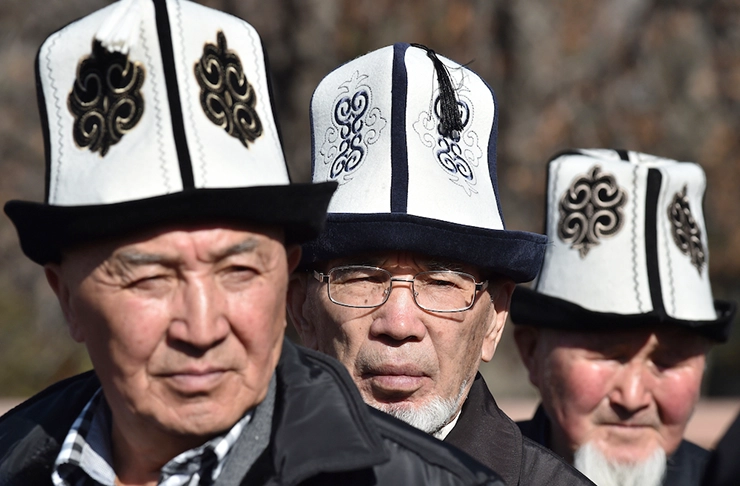
The kalpak is the most recognizable symbol of Kyrgyz men’s clothing. It is a tall, pointed felt hat usually made from white wool and decorated with embroidered patterns in black or dark tones. Beyond its visual appeal, the kalpak serves as protection against both intense sun and cold mountain winds, making it a practical necessity. Worn with pride, it is considered a cultural emblem and even plays a role in rituals and everyday etiquette.
Chapan
The chapan is a long, robe-like garment worn over clothes, designed to provide warmth and comfort. Typically made of heavy fabric or quilted material, it is often adorned with colorful embroidery along the edges. Chapans come in various colors, with darker tones preferred by elders as a sign of wisdom and respect. In Kyrgyz tradition, gifting a chapan is a gesture of honor and hospitality.
Kementay
The kementay is a sleeveless felt coat, known for its durable and practical design. Historically, it was an essential outerwear piece for herdsmen and horse riders, offering mobility while keeping the body insulated. Its simplicity represents the minimalistic lifestyle of nomadic life, yet it remains deeply tied to Kyrgyz identity. Today, the kementay is still used during cultural events and festivals to honor tradition.
Charyk
Charyk are traditional leather shoes worn by Kyrgyz men, crafted by hand from durable hides. Their design is minimal, focusing on resilience and comfort during long journeys across rough terrain. Often tied with leather straps, they were especially useful for horse riding, an integral part of nomadic life. Charyk are also an example of sustainable fashion, reflecting the resourcefulness of Kyrgyz craftsmanship.
Shalbar
Shalbar are traditional men’s trousers made from leather, wool, or heavy cotton fabric. They are typically wide and comfortable, designed for horseback riding and outdoor work. The practicality of shalbar reflects the nomadic way of life, emphasizing ease of movement and endurance. While their appearance may seem simple, they carry cultural value and remain a significant element of Kyrgyz men’s heritage clothing.
Women’s Traditional Clothing in Kyrgyzstan
Elechek
The elechek is a traditional headpiece worn by Kyrgyz women, particularly married ones. It consists of a long white cloth, sometimes up to 100 feet, carefully wrapped around the head. The elechek not only symbolizes dignity and respect but also provides protection from the weather. Its elaborate wrapping technique often indicates social standing and is a skill passed down through generations.
Chapan
Like men, Kyrgyz women also wear chapans, though theirs are often more decorative and richly embroidered. These robes, made from quilted or velvet fabric, are designed to keep the wearer warm while showcasing feminine elegance. Women’s chapans frequently feature vibrant colors and patterns, reflecting personal taste and family traditions. During ceremonies, they serve as a canvas of artistry and cultural identity.
Beldemchi
The beldemchi is a traditional Kyrgyz women’s skirt, often made of patterned fabric with layered or pleated designs. It is usually tied at the waist and worn over other clothing, offering both practicality and style. The beldemchi highlights the cultural emphasis on modesty while allowing movement and comfort in daily life. Its presence in festive attire demonstrates its importance in both casual and ceremonial dress.
Charyk
Women also wore charyk, the traditional handmade leather shoes similar to those of men, though occasionally decorated with feminine patterns. These shoes were crafted to endure long distances and rugged terrain, reflecting the shared nomadic lifestyle of Kyrgyz men and women. Women’s versions could feature additional stitching or colorful details to distinguish them. Today, charyk remain symbolic of endurance, tradition, and timeless utility.
Kiyiz Kiyem
Kiyiz kiyem refers to felt clothing made from compressed sheep’s wool, a material central to Kyrgyz culture. Women wore garments of felt for warmth in the high mountains, often shaped into tunics or cloaks. The process of creating kiyiz kiyem was labor-intensive and considered an important household skill. These clothes embody both practicality and artistry, with patterns that connect to Kyrgyz symbolism and ancestral beliefs.
Modern Clothing in Kyrgyzstan
In contemporary Kyrgyzstan, clothing blends traditional heritage with global fashion trends. While young generations often embrace Western-style outfits such as jeans, dresses, and suits, traditional elements like embroidery and the kalpak remain influential in national identity. Designers increasingly incorporate Kyrgyz ornaments, felt materials, and ethnic patterns into modern collections, creating a fusion that appeals to both local and international audiences. Today, traditional attire is celebrated at festivals, weddings, and cultural events, ensuring that Kyrgyz clothing heritage thrives alongside modern fashion.
The post Complete Guide to Kyrgyzstan Clothing appeared first on The Fashiongton Post.