
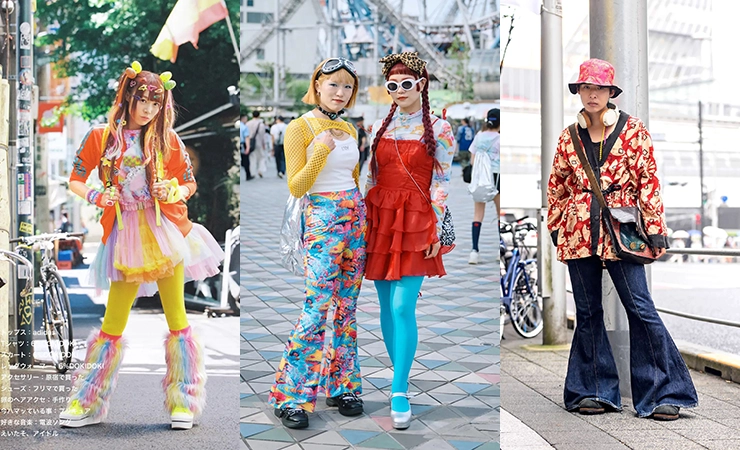
When it comes to Japanese street fashion, gyaru remains one of the most recognizable and widely discussed subcultures. At a time when fashion is increasingly shifting away from minimalism toward bold self-expression, the gyaru aesthetic is once again taking center stage — from social media feeds to global runways. Tanned skin, expressive makeup, long lashes, ultra-short skirts, and bleached hair are once again inspiring a new generation of girls tired of “perfect” and overly restrained beauty standards.
Today, the gyaru style is experiencing a revival. Its elements appear in fashion editorials, collections by emerging designers, and looks created by popular influencers. But behind the striking visuals lies more than just a trend — it is a philosophy of freedom.
How Gyaru Culture Emerged
The gyaru subculture originated in Japan in the 1970s, but its real explosion in popularity happened in the 1990s and early 2000s. The word “gyaru” comes from the English word “girl.” Over time, it came to describe young Japanese women who rejected strict social norms and created their own lifestyle and identity.
In traditional Japanese culture, the ideal woman was long seen as modest, natural-looking, with dark hair and quiet behavior. Gyaru became the complete opposite of this image. They bleached their hair, wore bold makeup, and embraced flashy clothing, expressing independence and confidence.
For many girls, this was not just a fashion choice, but a form of protest against social pressure and rigid beauty standards.
An Aesthetic That Cannot Be Mistaken
The main feature of gyaru is visual boldness. This style never aimed to look “natural.” On the contrary, the more noticeable and dramatic the look, the better.
A classic gyaru look includes:
light or dyed hair;
voluminous hairstyles;
intense eye-focused makeup;
long false eyelashes;
glossy lips;
bright manicures;
mini skirts, high platform shoes, and statement accessories.
Makeup plays a central role. White eyeshadows, strong eyeliner, and enlarged eye effects became signature elements long before similar aesthetics entered global beauty trends.
One of the most famous branches is ganguro — an extreme version of gyaru featuring deep artificial tans, bleached hair, and high-contrast makeup. At one point, this style shocked Japan itself, but it also became one of the most iconic expressions of the movement.
Why Gyaru Is Back in Fashion
The return of early-2000s aesthetics has become one of the strongest fashion trends of recent years, and gyaru fits perfectly into this revival. After a long period of minimalism, fashion is once again leaning toward maximalism: shine, bright colors, oversized accessories, and deliberately dramatic looks.
In addition, modern culture increasingly values individuality. The younger generation no longer wants to look the same. This is why the gyaru philosophy — “Biba jibun!” (“Long live myself!”) — feels more relevant than ever.
Social media has also played a major role in the subculture’s comeback. Videos featuring Japanese makeup tutorials, archival Tokyo street photos from the early 2000s, and gyaru-inspired transformations gather millions of views. The aesthetic is especially popular among fans of vintage fashion and Asian street style.
Today, elements of gyaru can be seen far beyond Japan — from the streets of Seoul and Los Angeles to editorial fashion shoots in major global magazines.
Gyaru Schools — Reality, Not a Myth
One of the most unusual aspects of this culture is the existence of real gyaru schools in Tokyo. The most famous are located in the Shibuya district, a major hub of Japanese youth fashion.
These schools were created as an alternative to Japan’s strict educational system, where students are typically forbidden from dyeing their hair, wearing makeup, or dressing boldly. In gyaru schools, the approach is completely different: self-expression is considered an essential part of identity.
Alongside standard academic subjects, students are taught:
makeup artistry;
hairstyling;
fashion styling;
clothing design;
social media management;
personal branding;
basics of the modeling industry.
Many instructors are former models, stylists, and editors from iconic Japanese magazines. The core idea is that passion for fashion and beauty can become a real profession.
For today’s creative industries, this idea feels especially relevant: personal style is often not just self-expression, but a career path.
New Gyaru and Modern Beauty
The modern generation of gyaru looks different from that of twenty years ago. Today, the style is more flexible and diverse. Some draw inspiration from classic ganguro-era looks, while others adapt the aesthetic into everyday fashion.
However, the core idea remains the same — do not be afraid to stand out. In a world of increasingly uniform trends, gyaru once again feels fresh and bold. It brings back the joy of transformation, experimentation with appearance, and a celebration of hyper-femininity that was long considered “too much.”
This is why gyaru today is no longer just a Japanese subculture of the past, but a full-fledged source of inspiration for global fashion.
The post Gyaru Fashion: The Japanese Subculture Making a Comeback appeared first on The Fashiongton Post.