
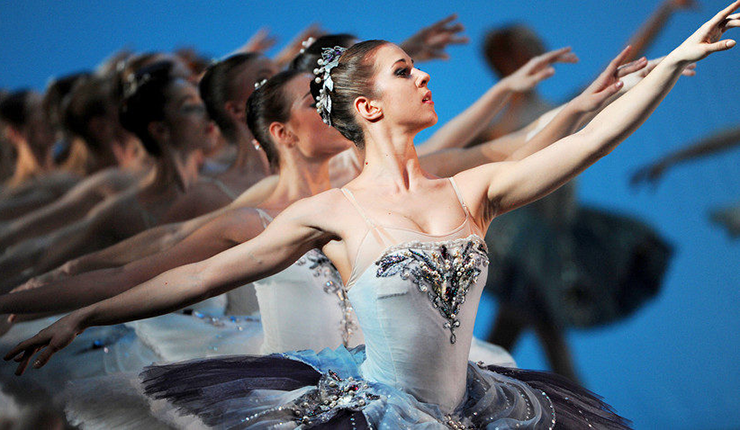
Ballet has always been synonymous with grace, poise, and an ethereal sense of beauty. In the USSR, however, ballet transcended its role as an art form to become a powerful cultural and aesthetic influence. Ballet dancers in the Soviet Union were not only celebrated performers but also national icons whose elegance and image inspired generations. They became style muses, shaping how Soviet women aspired to look and dress, while simultaneously embodying ideals promoted by the state. This unique intersection of politics, culture, and fashion helped cement ballet’s lasting impact on Soviet style.
During the 20th century, ballet occupied a special place in Soviet society. It was viewed as a prestigious art form capable of showcasing the USSR’s cultural sophistication to the world. Soviet ballerinas such as Maya Plisetskaya, Galina Ulanova, and Natalia Bessmertnova achieved international fame, their names becoming synonymous with excellence and artistry. These dancers were not only admired for their technical mastery but also for their beauty, elegance, and discipline. As a result, they naturally became symbols of aspiration for millions of Soviet citizens. Women, in particular, found inspiration in their poised demeanor, graceful movements, and timeless aesthetic.
The fashion industry in the USSR was heavily influenced by the images of these celebrated ballerinas. Unlike Western fashion, which evolved through private designers and commercial brands, Soviet style was shaped largely by state-controlled institutions. Yet ballet allowed a rare infusion of glamour into the otherwise utilitarian Soviet wardrobe. Ballerinas’ stage costumes, often designed with delicate fabrics, embroidery, and flattering silhouettes, captured the imagination of the public. Their sleek buns, natural yet refined makeup, and perfectly tailored rehearsal wear created a template for femininity that women sought to emulate.
Ballet-inspired style in the USSR often emphasized simplicity paired with elegance. Soft, flowing skirts, fitted tops, and muted pastel tones reminiscent of ballet attire began to influence everyday fashion. Women adopted the ballerina bun as a practical yet chic hairstyle, while subtle makeup, emphasizing the eyes and lips, mirrored the stage-ready look of their idols. Even footwear took cues from ballet, with flat shoes and modest heels becoming wardrobe staples. This understated yet refined aesthetic was particularly appealing in a society where overt displays of wealth or extravagance were discouraged.
Another reason ballet dancers became style muses in the USSR was their representation of ideal Soviet values. Ballerinas were disciplined, hardworking, and patriotic, embodying the perfect balance of artistic beauty and moral integrity. The state carefully cultivated their public image, presenting them as role models for Soviet women. Photographs of ballerinas in rehearsal studios or traveling abroad on cultural tours were widely published, allowing their aesthetic influence to reach across the vast Soviet Union. Through magazines, posters, and newsreels, the ballerina’s image became accessible even to those far removed from the world of the theater.
This cultural phenomenon also intersected with international politics. Ballet was one of the USSR’s most important soft power tools during the Cold War. Soviet dancers toured extensively, dazzling Western audiences and earning critical acclaim. Their refined appearance became a symbol of the nation’s sophistication, often contrasting with the stereotypes of Soviet life. When ballerinas like Plisetskaya appeared in glamorous costumes on foreign stages, they inadvertently shaped perceptions of Soviet women’s style both at home and abroad.
The legacy of ballet as a style influence in the USSR remains evident even today. Vintage photographs of Soviet ballerinas continue to inspire modern designers, with their clean lines, romantic silhouettes, and delicate detailing appearing in contemporary collections. The ballet aesthetic’s enduring appeal lies in its combination of strength and delicacy—a perfect reflection of the ballerinas themselves.
Ballet dancers in the USSR were more than performers; they were cultural ambassadors and fashion icons who influenced how an entire generation of women perceived beauty and style. By embodying grace, discipline, and understated elegance, they offered a vision of femininity that was aspirational yet attainable. In a society marked by political rigidity and material scarcity, the ballerina became a beacon of refinement and hope, leaving behind an indelible mark on Soviet fashion and identity.
This powerful blend of artistry and style ensured that ballet dancers would forever hold a unique place in the cultural history of the USSR. Their influence continues to be celebrated, proving that the beauty and elegance of ballet can transcend time, politics, and borders.
The post How Ballet Dancers Became USSR Style Muses appeared first on The Fashiongton Post.