
Singapore is one of Asia’s most culturally diverse countries, and its traditional clothing reflects the rich heritage of the Chinese, Malay, Indian, and Peranakan communities that have shaped the nation for generations. Rather than having a single national costume, Singapore celebrates several iconic garments that represent different ethnic traditions while remaining an important part of cultural events, religious celebrations, and family ceremonies. These outfits are admired for their elegant tailoring, colorful fabrics, and meaningful symbolism. Whether worn during festivals, weddings, or formal occasions, traditional Singaporean clothing continues to preserve the country’s multicultural identity.
Men’s Traditional Clothing in Singapore
Baju Melayu
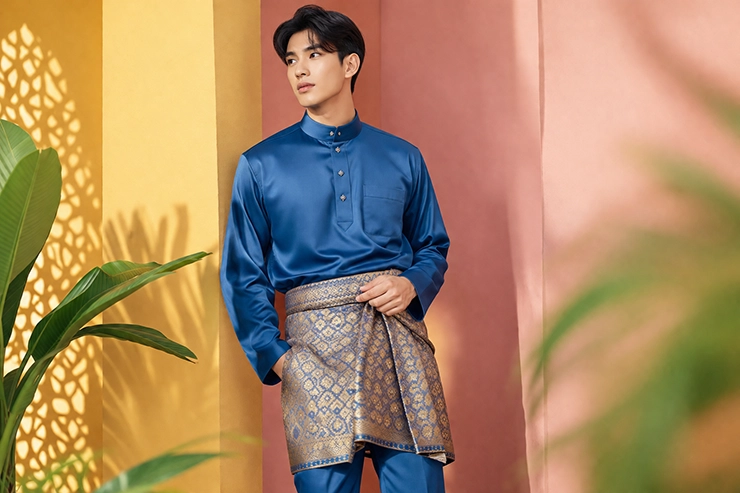
The Baju Melayu is one of the most recognizable traditional garments worn by Malay men in Singapore. It consists of a long-sleeved shirt paired with matching trousers and is often completed with a samping, a decorative cloth wrapped around the waist. The outfit is commonly made from cotton, silk, or satin, providing comfort in Singapore’s tropical climate. Baju Melayu is traditionally worn during Hari Raya Aidilfitri, weddings, mosque visits, and other important cultural celebrations, making it one of the most respected pieces of Malay attire.
Kurta
The Kurta is a classic garment worn by many Singaporean men of Indian heritage. This long tunic usually reaches the knees and is paired with trousers, churidar pants, or pajamas depending on the occasion. Lightweight cotton versions are popular for everyday wear, while embroidered silk kurtas are reserved for weddings and festivals such as Deepavali. Its simple yet elegant design has made the kurta a timeless symbol of Indian culture in Singapore.
Sherwani
The Sherwani is a formal ceremonial outfit worn by Singaporean Indian men during weddings and prestigious cultural events. It features a long fitted coat with elaborate embroidery, often crafted from luxurious fabrics such as silk, brocade, or velvet. The sherwani is typically paired with fitted trousers and traditional footwear to create a sophisticated appearance. Its regal style reflects centuries of South Asian craftsmanship and remains a favorite choice for grooms and special family celebrations.
Tang Suit
The Tang Suit represents the Chinese cultural heritage found throughout Singapore. Although originating in China, it is frequently worn during Lunar New Year celebrations, traditional ceremonies, and family gatherings. The jacket is known for its stand-up Mandarin collar, frog-button closures, and elegant silk fabrics decorated with auspicious motifs. Many Singaporean Chinese families continue to wear the Tang Suit to honor tradition while celebrating important cultural occasions.
Samfoo
The Samfoo is a traditional two-piece outfit historically worn by Chinese men. It consists of a loose buttoned shirt and comfortable matching trousers designed for ease of movement and practicality. Originally favored by laborers and craftsmen, the outfit later became associated with traditional Chinese heritage and cultural performances. Today, Samfoo is occasionally worn during festivals, historical reenactments, and community events that celebrate Singapore’s Chinese roots.
Women’s Traditional Clothing in Singapore
Sarong Kebaya
The Sarong Kebaya is widely regarded as one of Singapore’s most iconic traditional women’s outfits, particularly among the Peranakan and Malay communities. It combines a beautifully tailored kebaya blouse with a colorful batik sarong wrapped around the waist. Delicate embroidery, lace details, and vibrant floral patterns give the outfit its distinctive elegance. The Sarong Kebaya is frequently worn during weddings, cultural festivals, and formal events, and it has become an enduring symbol of Singapore’s multicultural heritage.
Baju Kurung
The Baju Kurung is a graceful traditional dress worn by Malay women throughout Singapore. The outfit features a loose-fitting long blouse paired with a matching ankle-length skirt, offering both modesty and comfort. It is commonly made from cotton, silk, or modern blended fabrics in a wide variety of colors and patterns. Baju Kurung remains a popular choice during Hari Raya celebrations, family gatherings, and official cultural functions.
Cheongsam
The Cheongsam, also known as the Qipao, is a timeless dress worn by many Singaporean Chinese women during festive occasions. It is characterized by its high Mandarin collar, fitted silhouette, side slits, and elegant decorative details. Traditional versions are crafted from luxurious silk featuring floral embroidery or symbolic motifs representing prosperity and good fortune. The Cheongsam continues to be worn during Lunar New Year, weddings, and formal celebrations while remaining an enduring icon of Chinese fashion.
Sari
The Sari is an essential traditional garment among Singapore’s Indian community. This elegant outfit consists of a long piece of fabric skillfully draped over a blouse and petticoat, creating a graceful and flowing appearance. Saris are available in countless fabrics, colors, and weaving styles, ranging from simple cotton designs to richly embroidered silk masterpieces. Women wear saris during religious ceremonies, weddings, Deepavali celebrations, and many other significant cultural events.
Salwar Kameez
The Salwar Kameez is another beloved traditional outfit worn by Singaporean women of Indian heritage. It consists of a long tunic called the kameez, loose-fitting trousers known as salwar, and a matching scarf called a dupatta. The ensemble offers exceptional comfort while allowing for intricate embroidery, beadwork, and colorful textile designs. It is widely worn for everyday occasions as well as festivals, celebrations, and family gatherings because it combines practicality with timeless elegance.
Modern Clothing in Singapore
Modern clothing in Singapore reflects the country’s cosmopolitan lifestyle and international fashion influences while remaining respectful of its multicultural traditions. Casual attire such as T-shirts, polo shirts, dresses, jeans, shorts, and lightweight linen clothing is especially popular because of the nation’s warm and humid tropical climate. Global luxury brands, contemporary streetwear, and local Singaporean designers all contribute to a vibrant fashion scene that blends Eastern and Western aesthetics. During major cultural festivals and family celebrations, many Singaporeans proudly return to traditional garments such as the Baju Melayu, Sarong Kebaya, Cheongsam, and Sari, demonstrating how heritage and modern fashion continue to coexist in everyday life.
The post Complete Guide to Singaporean Clothing appeared first on The Fashiongton Post.