
Nicaraguan traditional clothing is a colorful and rich expression of the country’s culture, history, and climate. The garments reflect a blend of indigenous, Spanish, and African influences, often worn during festivals, cultural events, or daily life in rural areas. Here’s a closer look at ten unique pieces of traditional clothing—five for men and five for women—each with their own distinct significance.
Men’s Traditional Clothing of Nicaragua
Palm Hat (Sombrero de Palo)
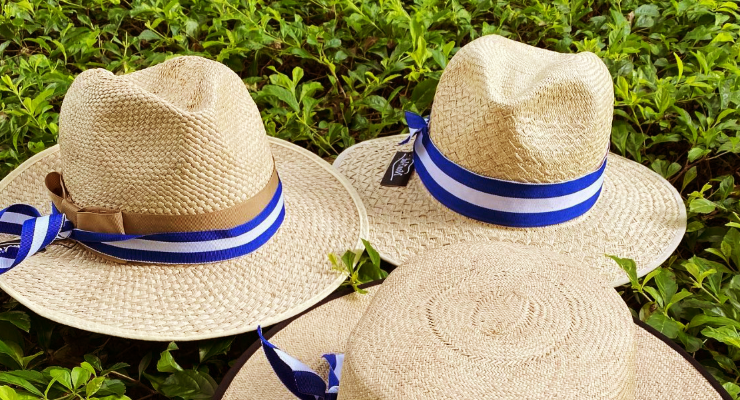
The palm hat is a traditional Nicaraguan hat made from palm or straw, designed to protect the wearer from the sun while showcasing a deep connection to the country’s agricultural roots. The hat features a wide brim and is often associated with rural Nicaraguan life, particularly in the farming and cattle ranching communities. It is both practical and a cultural symbol, often worn during celebrations, agricultural work, and even as a symbol of pride at cultural festivals. Its natural fibers and rustic design make it a distinct part of Nicaraguan men’s attire.
Leather Sandals (Chinelas de Cuero)
These traditional leather sandals are an essential footwear option for Nicaraguan men. Made from durable leather, they are designed to handle the tough terrain in rural areas, offering comfort and stability. The sandals feature a simple design, with leather straps across the toes and the instep, making them easy to wear in hot climates. They have a rustic charm and remain popular in both rural and urban areas for everyday wear.
Chupe Shirt (Camisa de Palo de Rosa)
This garment is deeply rooted in Nicaraguan folk tradition. It is traditionally made from a natural, hand-woven fabric using local materials, such as palo de rosa (a type of tree bark that can be processed into cloth). This piece of clothing is worn by rural men, especially in indigenous communities, and it has a strong cultural connection to Nicaragua’s agricultural and indigenous heritage.
Leather Waistband (Guira de Cuero)
The leather waistband is a leather belt or waistband worn by men, often seen during dances or local festivities. This piece is crafted from thick leather and is often decorated with indigenous patterns or symbols that reflect Nicaraguan heritage. The belt serves both as a functional and ornamental piece, helping to secure other garments while adding a unique flair to the wearer’s outfit. The leather waistband can also signify a man’s status in the community, depending on its embellishments and quality.
Charro Pants (Pantalón de Charro)
Charro pants are a traditional pair of pants worn by men, often during formal events or folkloric celebrations. These pants are made of heavy cotton or wool and feature intricate embroidery along the sides, usually depicting motifs from nature or local wildlife. Often paired with a charro hat (cowboy hat), the charro pants are a symbol of the Nicaraguan cowboy heritage. They combine functionality with an elegant, festive style.
Women’s Traditional Clothing of Nicaragua
Cortés Tunic (Túnica de Cortés)
The Cortés tunic is an indigenous-inspired garment worn by Nicaraguan women, often made from handwoven cotton or silk. It consists of a long, flowing tunic that drapes elegantly around the body, often accompanied by a wide belt. The tunic is typically decorated with geometric or floral patterns, which vary by region, reflecting the diversity of indigenous cultures in Nicaragua. It is worn during traditional ceremonies and celebrations, symbolizing the strength and beauty of Nicaraguan women.
Cotton Shawl (Rebozo de Algodón)
The cotton shawl is a traditional cotton wrap worn by Nicaraguan women to provide warmth, shelter from the sun, or simply as an accessory. Made from soft, handwoven cotton, the cotton shawl is often brightly colored and features intricate patterns along its edges. Women wear it wrapped around their shoulders or draped across their heads, especially during religious festivals and processions. This garment is deeply tied to the country’s cultural and spiritual life, serving both practical and aesthetic purposes.
Ribbon Skirt (Falda de Cinta)
The ribbon skirt is a colorful skirt made from several pieces of cloth tied together, often worn during folk dances like the Palo de Mayo. The skirt is known for its vibrant colors and voluminous shape, designed to move gracefully with the dancer’s steps. It is typically paired with a matching blouse and a colorful headband, creating a festive and lively look. The ribbon skirt is a beloved garment in Nicaraguan cultural performances and symbolizes the joy and vibrancy of Nicaraguan dance traditions.
Lace Blouse (Blusa de Encaje)
The lace blouse is an intricately designed lace top worn by women during formal occasions or celebrations. Made from delicate lace or embroidered fabrics, the blouse features intricate patterns that showcase the skill of local artisans. It is often worn with a long skirt to create an elegant, feminine silhouette. This piece is representative of Nicaraguan craftsmanship, highlighting the delicate, detailed work that is a hallmark of the country’s traditional clothing.
Modern Clothing in Nicaragua
Today, modern Nicaraguan clothing is a fusion of traditional garments and global fashion trends. In urban areas, people often wear casual, contemporary outfits, such as jeans, t-shirts, and dresses, influenced by international styles. However, traditional garments are still worn during cultural celebrations and national holidays, preserving a sense of Nicaraguan identity. The younger generation tends to incorporate elements of indigenous and folkloric attire into their fashion, blending the old with the new to create a uniquely Nicaraguan look.
The post Complete Guide to Nicaraguan Clothing appeared first on The Fashiongton Post.