
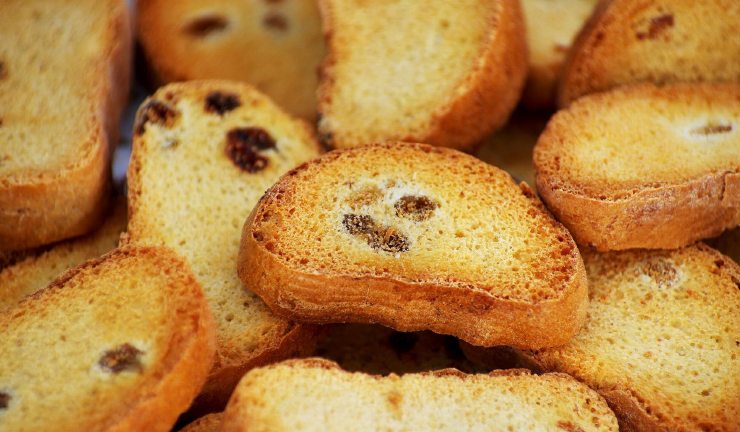
When getting on a weight loss journey, many people begin to scrutinize every item in their diet. Breads, pastries, and other baked goods are often the first to go. But what about rusks? These dry, twice-baked bread slices are a staple in many cultures and are often perceived as a healthier alternative to regular bread. The question is—are rusks actually good for weight loss?
What Are Rusks?
Rusks are essentially dry bread or biscuits that have been baked a second time after slicing, which removes most of the moisture and gives them a long shelf life. Depending on the country and brand, they may be made from white, whole grain, or rye flour and sometimes include seeds, nuts, or dried fruit.
In many European countries, rusks are a common accompaniment to tea or coffee and are often given to teething babies due to their firm texture. But their place in adult diets—especially among those trying to lose weight—is more nuanced.
Nutritional Profile
The nutritional value of rusks depends greatly on the ingredients and the brand. On average, a plain rusk (around 20–25 grams) contains:
Calories: 80–100 kcal
Carbohydrates: 15–18 grams
Protein: 2–3 grams
Fat: 1–2 grams
Fiber: 1–3 grams
Whole grain or bran rusks tend to have more fiber and nutrients than those made from white flour. Some varieties are enriched with seeds or legumes for added protein and micronutrients.
Are Rusks Weight-Loss Friendly?
Yes—with caution. Rusks can fit into a weight loss diet when consumed in moderation and chosen wisely. Here’s how:
1. Portion Control Is Key
Because rusks are dry and compact, it’s easy to underestimate how calorie-dense they are. Eating multiple rusks can quickly add up to the equivalent of two or more slices of bread. It’s best to limit intake to 1–2 pieces per meal or snack.
2. Choose Whole Grain Options
Whole grain rusks are richer in fiber, which supports digestion, helps maintain blood sugar levels, and promotes satiety. Fiber is essential when trying to lose weight, as it keeps you feeling full longer and helps prevent overeating.
3. Mind the Add-Ons
Rusks are often eaten with butter, cheese, or jam—toppings that can significantly increase calorie and fat intake. If you’re watching your weight, pair rusks with healthier toppings such as:
Low-fat cottage cheese or Greek yogurt
Sliced cucumber or tomato
Mashed avocado (in small amounts)
A drizzle of olive oil and herbs
4. Watch for Hidden Sugar
Some rusks, especially those marketed as “light” or “digestive,” may contain added sugars, honey, or syrups. Always check the ingredient list and nutrition label before buying. Choose brands with minimal ingredients and no added sugar.
Store-Bought vs. Homemade Rusks
While store-bought rusks are convenient, they often contain preservatives, added sugars, or refined flours. Homemade rusks give you full control over the ingredients and can be a much healthier option.
To make your own:
Use whole grain or rye bread.
Slice and bake at a low temperature (around 275°F or 135°C) for 30–40 minutes until dry and crisp.
Let them cool completely and store in an airtight container.
You can also experiment with gluten-free flours, flaxseed, or herbs for extra flavor and nutrients.
When to Eat Rusks
Rusks can be a practical and portable option for:
A mid-morning snack
A light breakfast with a protein-rich topping
A pre-workout bite with nut butter and banana slices
Avoid eating them late at night or using them to replace balanced meals. They work best as a carbohydrate component, not the entire meal.
Final Verdict
Rusks can be part of a healthy weight loss plan when you’re mindful of portion size, ingredients, and what you pair them with. Look for whole grain, sugar-free varieties and avoid over-snacking on them. Better yet, make your own for maximum nutritional benefit and minimum additives.
The post Are Rusks Good for Weight Loss? appeared first on The Fashiongton Post.