
Vanuatu, an archipelago of more than 80 islands in the South Pacific, possesses a rich sartorial heritage shaped by climate, ceremony, and clan identity. Clothing here is more than protection from the tropical sun—it is a language of status, spirituality, and community belonging. While modern garments are common in urban areas like Port Vila, traditional attire remains deeply respected and continues to appear during festivals, rites of passage, and village ceremonies. Understanding Vanuatu clothing requires attention to materials such as pandanus leaves, bark fiber, coconut husk, and natural dyes, all sourced locally and crafted by hand. The Fashiongton Post prepared for you some kind of a unique guide that explores the most distinctive traditional garments worn by Vanuatu men and women, followed by a look at contemporary fashion in the country.
Men’s Traditional Clothing in Vanuatu
Nambas
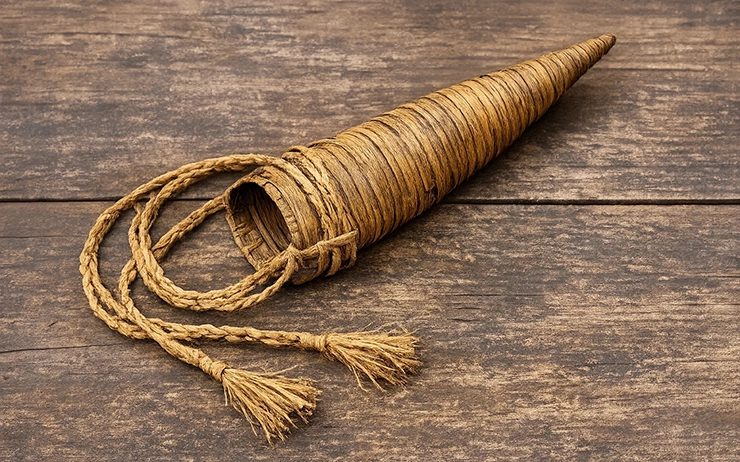
Nambas are perhaps the most widely recognized element of traditional male dress in Vanuatu. The word itself refers to the penis sheath traditionally worn by men in several islands, particularly Pentecost and Malakula. Crafted from dried banana or pandanus leaves, the nambas is carefully shaped and secured around the waist with fiber cords. Beyond modesty, it signifies maturity, cultural pride, and adherence to kastom—local customary law. Different regions developed variations in size and form, making it a subtle indicator of island identity.
Grass Skirt (Male Ceremonial Skirt)
Although grass skirts are often associated with women across the Pacific, men in Vanuatu also wear ceremonial skirts made from pandanus or other plant fibers. These skirts are typically worn during dances, ritual performances, and grade-taking ceremonies. The fibers are dried, softened, and sometimes dyed using natural pigments derived from roots and bark. Movement plays a central role in these performances, and the skirt enhances the rhythm and visual drama of traditional dance. In many communities, the quality and fullness of the skirt reflect the wearer’s status and preparation for the event.
Tapa Cloth
Tapa cloth, made from the inner natural fabrics or simply bark of trees such as paper mulberry, holds ceremonial importance throughout Vanuatu. Men may wear tapa as a waist wrap or draped cloth during rituals, weddings, and chiefly events. The fabric is beaten thin, dried, and decorated with symbolic patterns that represent clan stories and ancestral connections. Unlike everyday garments, tapa is reserved for significant occasions, underscoring respect and dignity. Its intricate motifs transform the wearer into a living embodiment of heritage and lineage.
Boar Tusk Armband
The boar tusk armband is an iconic symbol of prestige among men in Vanuatu. Crafted from the curved tusk of a domesticated pig—an animal of immense cultural value—the armband signifies wealth and high social standing. In traditional grade systems, the sacrifice of pigs marked a man’s rise in rank, and wearing tusk ornaments publicly displayed that achievement. The tusk is polished and shaped to fit comfortably around the upper arm. More than decoration, it serves as a powerful emblem of authority and accomplishment.
Leaf and Fiber Headdress
Headdresses made from leaves, feathers, and woven fibers are essential components of male ceremonial attire. These headpieces often incorporate bird feathers, shells, and natural pigments to create striking visual effects during dances and festivals. The design varies by island, reflecting local myths and clan affiliations. Some headdresses are reserved for initiated men or community leaders, adding a layer of sacred meaning. When worn in performance, the headdress amplifies both height and presence, reinforcing the spiritual dimension of traditional gatherings.
Women’s Traditional Clothing in Vanuatu
Grass Skirt (Women’s Everyday Skirt)
The grass skirt remains one of the most traditional garments worn by women in rural Vanuatu communities. Made from carefully prepared pandanus leaves or other plant fibers, it is tied around the waist and falls to the knees or ankles. The process of making a skirt involves soaking, drying, and hand-shredding fibers to achieve softness and flexibility. While simple in structure, the garment is practical for the tropical climate and daily tasks. It also serves as a foundation piece that can be enhanced with decorative belts or layered fibers for ceremonial occasions.
Laplap Wrap
Laplap is a versatile wrap garment worn by both men and women, though women often style it in distinctive ways. Traditionally made from woven natural fibers and later from cotton fabric, the laplap is wrapped around the waist and secured with a knot. It provides modest coverage while remaining breathable in humid weather. Patterns and colors may reflect regional identity or modern influences, especially in urban areas. Today, laplap fabrics are often printed with vibrant motifs, blending tradition with contemporary aesthetics.
Tapa Cloth Dress
Women in Vanuatu also use tapa cloth to create dress-like wraps for important ceremonies. The bark cloth is shaped and tied to cover the torso and hips, sometimes layered for added elegance. Decorative patterns are applied using stencils, hand-painting, or stamping techniques, each with cultural symbolism. Wearing tapa during weddings or cultural festivals demonstrates respect for ancestral practices. The tactile texture and earthy tones of the material lend a distinctive natural beauty to formal attire.
Shell Necklace and Breast Ornament
Shell necklaces and breast ornaments are integral elements of women’s traditional dress. Crafted from shells, seeds, and sometimes small bones, these adornments are carefully strung into elaborate arrangements. They often signify marital status, clan affiliation, or participation in specific ceremonies. The rhythmic sound of shells moving during dance adds an auditory dimension to the visual spectacle. Passed down through generations, these ornaments connect women to their lineage and communal memory.
Flower and Leaf Head Garland
Floral and leaf garlands are frequently worn by women during celebrations and dances. Made from freshly gathered tropical flowers and greenery, the garlands frame the face and complement fiber skirts or tapa garments. The choice of flowers may carry symbolic meaning or simply reflect seasonal availability. Creating these garlands is often a communal activity, reinforcing bonds among women before major events. Their vibrant colors and natural fragrance enhance the festive atmosphere of village gatherings.
Modern Clothing in Vanuatu
Modern clothing in Vanuatu reflects a dynamic blend of tradition and global influence. In urban centers such as Port Vila and Luganville, Western-style dresses, T-shirts, tailored shirts, and trousers are common daily wear. Imported fabrics and ready-made garments coexist with locally sewn laplaps featuring contemporary prints. Christian influence has also shaped modest dress norms, especially for church attendance and formal events. Despite modernization, traditional garments remain central to national festivals, Independence Day celebrations, and cultural showcases, ensuring that Vanuatu’s clothing heritage continues to thrive alongside evolving fashion trends.
The post Complete Guide to Vanuatu Clothing appeared first on The Fashiongton Post.