
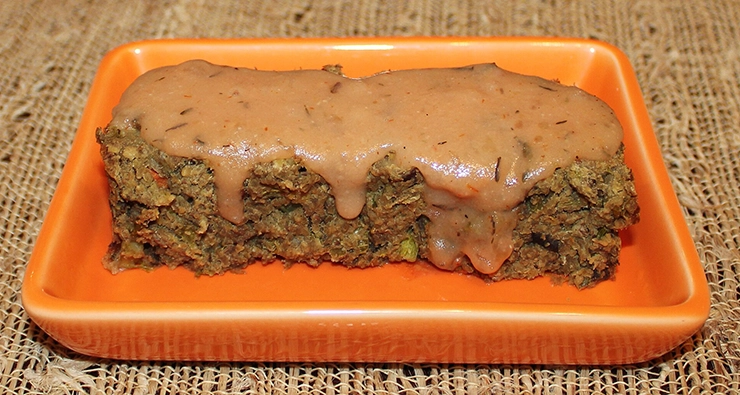
Nutraloaf (sometimes spelled “nutri-loaf”) is a standardized prison food product used in parts of the United States as a disciplinary meal. Instead of serving a normal tray, correctional facilities may issue this dense baked block to inmates who have violated certain rules, most often food-related misconduct such as throwing meals, flooding cells with food, or misusing utensils. The idea appeared in the late 1970s and 1980s when prison administrators were looking for a way to maintain order without using complete food deprivation, which courts had ruled unconstitutional. Officials needed a punishment that still met minimum nutritional requirements, so dietitians designed a loaf combining the same components that would normally be served separately at a meal.
Its exact recipe varies by state and institution, but it typically includes blended vegetables, beans, soy protein or ground meat, starches like potatoes or bread, powdered milk, eggs, and sometimes fruit. Everything is mixed into a thick batter and baked into a firm brick-like portion that can be eaten without utensils. The appearance is intentionally unappealing: dull brown or greenish, compact, and moist but heavy. Descriptions of the taste are remarkably consistent. Former inmates often say it tastes like overcooked stuffing or bland meatloaf with a slightly sweet vegetable aftertaste, while others report a strong bean or soy flavor and a gummy texture. It is edible but monotonous, which is partly the point — the psychological effect comes from the lack of variety and pleasure rather than starvation.
Nutritionally, nutraloaf is not meant to be a “diet food.” It is formulated to meet daily caloric and micronutrient requirements, generally around 2,000 calories per day when multiple portions are served, along with water. Because it contains vegetables, fiber, protein, and fortified ingredients, it can actually be balanced on paper, but the sodium level is often high and the texture discourages normal appetite. For an average person it would not be considered healthy or enjoyable, yet it is also not dangerously low in calories. Courts have repeatedly examined the practice, and while controversial, many rulings have allowed it so long as it provides adequate nutrition and is used for limited periods. In short, nutraloaf is less a culinary creation than a behavioral management tool — a meal designed to sustain the body while deliberately removing the comfort and social meaning normally associated with food.
The post Nutraloaf appeared first on The Fashiongton Post.