
Each December, Santa Claus becomes one of the most recognized figures on the planet. From shopping mall installations to haute couture holiday campaigns, his image is often standardized: red velvet suit, fur trim, and black leather boots. But beyond the Western lens, Santa’s wardrobe tells a much broader, richer story. Around the globe, different cultures have developed their own unique visions of the holiday gift-giver—each with distinct costumes that reflect local history, climate, and traditional dress. Here’s a fashion-focused journey into what Santa Claus really wears around the world, and why it’s far more diverse than the red velvet stereotype suggests.
Iceland – The Rugged Layers of the Yule Lads
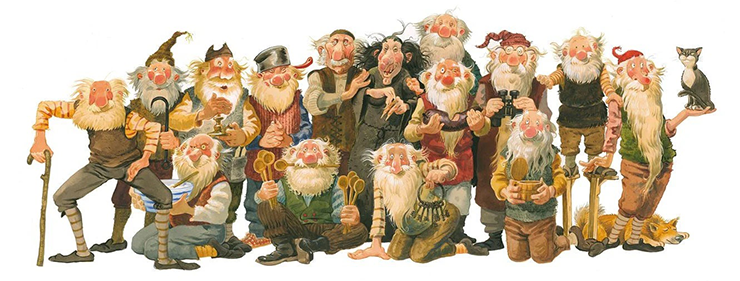
In Iceland, there’s no single Santa Claus. Instead, there are thirteen “Yule Lads” (Jólasveinar), mischievous figures rooted in folklore who visit children in the thirteen nights before Christmas. Each Yule Lad wears traditional Icelandic winter garb—thick woolen coats, layered trousers, fur-lined boots, and heavy-knit hats. The textures and tones often mirror the island’s volcanic landscape: ash gray, moss green, and snow white. Rather than polished, the Yule Lads’ outfits lean into a rustic, utilitarian aesthetic, as if styled by a heritage brand obsessed with Icelandic wool.
Japan – The Commercial Claus in Minimalist Red
Japan’s Santa isn’t born from folklore but rather introduced via American pop culture and marketing. Yet he has evolved a subtly distinct visual identity. In major cities like Tokyo or Osaka, Santa suits are slimmer, cleaner, and often rendered in minimalist silhouettes—imagine a Uniqlo version of Santa Claus. Local store Santas frequently opt for lightweight fabrics due to the milder December climate and pair the look with neat accessories like pristine gloves and structured caps. It’s Santa through a modern, fast-fashion lens—functional, photo-ready, and always crisp.
Ethiopia – Saint Nicholas in Ecclesiastical Robes
In Ethiopia, where Christmas is celebrated on January 7th and rooted in Orthodox Christian tradition, the gift-giving figure isn’t Santa Claus but more of a saintly representation. Church leaders and figures in holiday processions wear flowing white or cream robes adorned with gold thread and traditional Ethiopian crosses. Headpieces can resemble miters or turbans, and fabrics are often handmade cotton with intricate woven borders. The entire aesthetic draws from religious ceremonial wear, making this version of “Santa” feel regal, sacred, and fashionably restrained.
Russia – Ded Moroz and the Art of Imperial Elegance
Russia’s version of Santa Claus, called “Ded Moroz” (Grandfather Frost) wears a long, fur-trimmed coat that reaches the ground—usually in rich tones of sapphire blue, burgundy, or icy silver. Instead of the jolly red, his wardrobe channels the Romanovs more than the North Pole. Velvet and brocade dominate, often embroidered with frosted motifs like snowflakes and stars. He carries a long, crystal-topped staff and dons a tall fur hat, completing a look that is far more tsar than toy maker. Accompanying him is “Snegurochka”, his granddaughter, who wears a shimmering robe and “kokoshnik”—a traditional headdress that blends folkloric femininity with winter glam.
Greenland – Seal Fur and Arctic Practicality
In Greenland, the local Santa figure adapts not just to tradition but to one of the harshest winter climates on earth. Clothing reflects Inuit styles, including garments made from caribou or seal fur, designed to insulate and resist moisture. The outfit often includes hooded parkas, fur-lined mittens, and reindeer-hide boots. Far from theatrical, this Santa look is rooted in functionality but possesses a raw, tactile beauty that echoes the aesthetics of Arctic fashion pioneers like Josephine Meckseper or even early Helmut Lang. It’s where fashion and survival fully converge.
Italy – La Befana’s Witchy Charm
Though not technically a Santa figure, La Befana is Italy’s beloved Christmas gift-giver, especially in the central and southern regions. Celebrated on January 6th during Epiphany, she is portrayed as a kind, broomstick-riding old woman who leaves sweets for well-behaved children. Her outfit resembles a patchwork of peasant shawls, layered skirts, and rugged boots—imagine a bohemian crone-meets-folk style that would fit right into a Gucci pre-fall lookbook. La Befana’s wardrobe is earthy, timeworn, and deeply evocative of Italy’s agrarian roots.
United States – The Classic Velvet Suit with Celebrity Flair
In the United States, the image of Santa Claus in the red velvet suit popularized by Coca-Cola advertising has become iconic worldwide. However, American Santas often bring a touch of showmanship to the classic look. In large cities like New York or Chicago, Santa appearances may include custom-tailored coats with luxurious velvet, faux fur trims, and boots polished to a shine. Celebrity Santas and mall Santas often add subtle personalized twists—such as embroidered initials, decorative buttons, or festive accessories like colorful scarves and hats—melding tradition with contemporary style. This blend of commercial classic and bespoke detail helps keep the American Santa vibrant and culturally relevant.
Spain – Papá Noel’s Elegant Simplicity
In Spain, Christmas traditions include Papá Noel, who resembles the Western Santa but often wears a simpler, more elegant version of the red coat. Rather than heavy velvet, his attire frequently consists of a rich wool or cashmere cloak, trimmed with fur or embroidered detailing reflecting Spanish craftsmanship. In some regions, the Three Wise Men overshadow Santa Claus, bringing their own regal costumes that influence local festive fashion. Papá Noel’s look balances warmth and sophistication, reflecting Spain’s Mediterranean climate and refined cultural taste.
Fashion is always about more than aesthetics—it reflects values, geography, class, and story. The same applies to Santa Claus. Whether cloaked in icy brocade, robed in wool, or dressed in sleek commercial red, the variations in his outfit reveal how cultures reinterpret a universal figure through their own style language. As globalization continues to standardize much of holiday iconography, these regional looks remind us that fashion still thrives in specificity and local storytelling. Not all Santas wear velvet. And that’s precisely what keeps the magic alive.
The post What Santa Claus Wears Around the World: Not All Santas Wear Velvet appeared first on The Fashiongton Post.